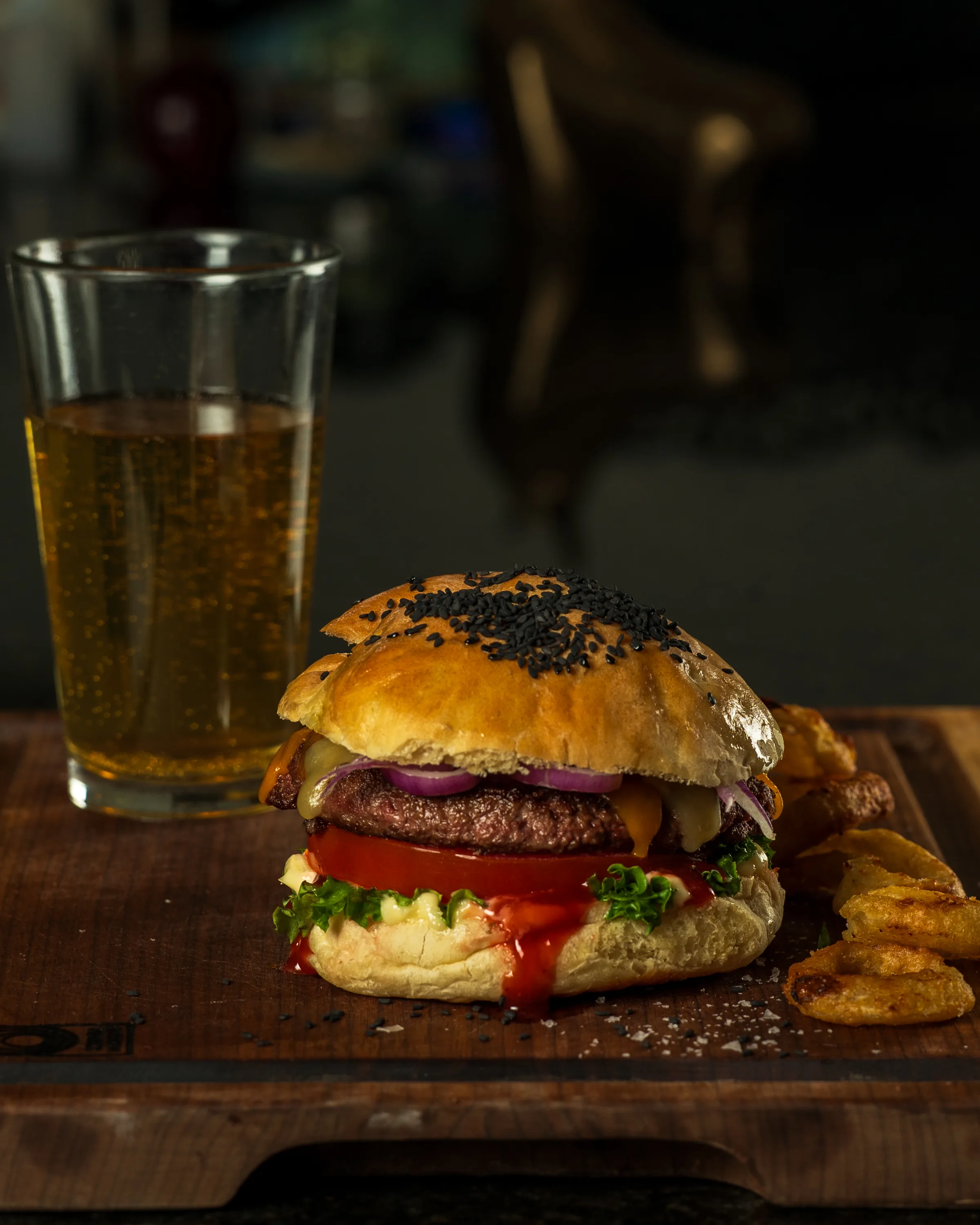
Diners judge the food by the photo
Nobody tastes anything online. The photo is the dish, as far as a hungry person scrolling at 6pm is concerned, and they're comparing your photo directly against every other restaurant's in the same results screen. When your competitor's burger is lit properly and yours is under a fluorescent heat lamp, you lose a comparison you never knew was happening.
Where your phone is genuinely enough
Plenty of restaurant content should come from a phone: Instagram stories, a busy Friday room, the kitchen plating tonight's special, staff moments. This content works because it's immediate and real, polish would actually hurt it. Post it freely and often; it keeps your feed alive between professional refreshes.
Where amateur photos quietly cost you
Four surfaces do the heavy selling, and all four punish bad photography:
- Google Business Profile. Your photos appear beside competitors' in every map-pack result. This is the single highest-traffic photo placement you own.
- Your website menu, the page diners check before deciding. Dark, blurry dish photos read as a warning, not an invitation.
- Delivery apps, DoorDash and Grubhub listings live or die on thumbnail appetite appeal.
- Ads and promotions. Every dollar behind a weak image buys less. Creative quality is the biggest lever on ad performance a restaurant controls.
What a professional shoot actually involves
A Pulse Content Day is a fixed scope: a shot list you approve in advance (your best sellers, the room, the patio, your people), a half or full day shooting on location, and edited delivery-ready images with full usage rights, $850 for a half day, $1,400 for a full day. Dishes are usually shot before service so the kitchen can plate deliberately; atmosphere gets shot during it, when the room is alive.
One shoot upgrades every surface at once. That's the economics that make it worth it. The same 40 images refresh your Google profile, rebuild your menu page, fill a month of social and arm your delivery listings. Most restaurants re-shoot when the menu changes seasonally, which is exactly the cadence the fixed price is designed for.